
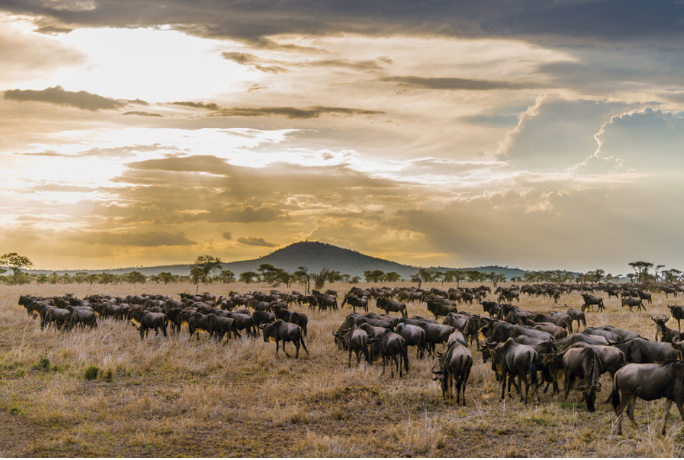
Few natural events on Earth rival the scale and drama of the Great Migration. Every year, over two million wildebeest, zebra, and gazelle move in a continuous, roughly circular journey across the Serengeti ecosystem, driven by rainfall, grass growth, and instinct. For safari travelers, timing a trip around this migration means witnessing thundering river crossings, newborn calves taking their first steps, and predators locked in constant pursuit. This guide covers everything you need to plan a Great Migration safari in Tanzania — when to go, where to be, what to expect, and how to make the most of it.
What Is the Great Migration?
The Great Migration is the continuous, year-round movement of wildebeest and their travel companions — zebra and various gazelle species — across the Serengeti-Mara ecosystem, which spans northern Tanzania and southern Kenya. Unlike a single seasonal event, it’s an ongoing cycle: the herds are always somewhere in the ecosystem, moving in search of fresh grazing and water.
The migration isn’t a scheduled tour — it’s driven by rainfall patterns, and animals respond to environmental cues rather than a fixed calendar. That means exact timing shifts slightly from year to year, but the broad seasonal pattern is reliable enough to plan around.
The Migration Route: A Year-by-Year Cycle
Understanding the migration’s rough circuit helps you decide where and when to base your safari.
December to March — Southern Serengeti and Ndutu: The herds gather on the short-grass plains of the southern Serengeti and the neighboring Ndutu area. This is calving season, when hundreds of thousands of wildebeest calves are born within a few concentrated weeks, typically peaking in late January and February. The abundance of vulnerable newborns draws intense predator activity from lions, hyenas, and cheetahs.
April to May — Central and Western Serengeti: As the southern plains dry out, the herds begin moving north and west in long, dramatic columns. This period is quieter in terms of visitor numbers but offers striking scenes of herds stretching across the horizon.
June — Western Corridor: The migration approaches the Grumeti River, where smaller but still thrilling crossings occur, along with the resident Nile crocodiles that make the crossing dangerous for the herds.
July to September — Northern Serengeti and Mara River: This is peak migration season, when the herds push into the northern Serengeti and attempt to cross the Mara River into Kenya’s Maasai Mara. The Mara River crossings are the most iconic images associated with the migration: chaotic, adrenaline-fueled scenes of wildebeest leaping into crocodile-infested waters.
October to November — Return South: As short rains begin, the herds turn back south through the eastern and central Serengeti, heading toward the southern plains to complete the cycle.
Best Time for a Great Migration Safari
There’s no single “correct” month — it depends on what experience you’re after.
For river crossings: July through September is the classic window, when herds attempt repeated crossings of the Mara River in the northern Serengeti. This is the most photographed and sought-after phase of the migration.
For calving season and predator action: Late January through March delivers an entirely different but equally compelling spectacle in the southern Serengeti and Ndutu, with newborn calves and near-constant predator activity.
For fewer crowds: April, May, and November offer quieter viewing as the herds move between regions, with lower prices and more availability at camps.
Where to Stay for the Best Migration Views
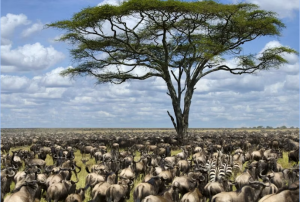
Because the migration moves throughout the year, choosing the right camp location matters as much as choosing the right month.
Southern Serengeti and Ndutu camps: Ideal for the December-to-March calving season. Many operators run seasonal mobile camps here that relocate to follow the herds.
Central Serengeti (Seronera): A reliable, year-round base with good wildlife density even outside migration season, thanks to resident predators.
Western Corridor camps: Best positioned for the Grumeti River crossings in May and June.
Northern Serengeti (Kogatende area): The prime location for Mara River crossings from July through September, though it requires a longer transfer from central hubs.
Many travelers choose a multi-camp itinerary, moving between two or three locations over a week to ten days, both to follow the herds and to experience the varied landscapes of the Serengeti ecosystem.
What to Expect on a River Crossing
River crossings are dramatic but unpredictable. Wildebeest can gather at a crossing point for hours — or days — before committing to cross, and the exact timing can’t be guaranteed by any guide or operator. Patience is part of the experience. When a crossing does happen, it typically unfolds quickly: a lead group plunges in, panic spreads through the herd, and thousands may cross within minutes while crocodiles and the current take their toll. Experienced guides use radio networks and local knowledge to position vehicles near likely crossing points, but no crossing is ever guaranteed on a single game drive.
Wildlife Beyond the Herds
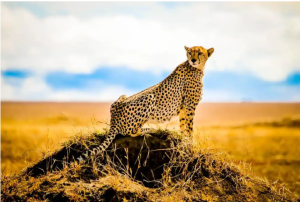
While wildebeest and zebra are the stars of the migration, the surrounding ecosystem supports exceptional year-round wildlife viewing. The Serengeti holds strong populations of lions, leopards, and cheetahs, along with elephants, giraffes, hippos, and over 500 recorded bird species. Predator sightings often increase near migration corridors, since predators time their own movements to intercept the herds.
Combining a Migration Safari with Other Tanzania Highlights
Many itineraries pair the Serengeti with nearby destinations to round out the trip:
- Ngorongoro Crater: A short drive from the southern Serengeti, offering dense, reliable wildlife viewing in a self-contained caldera, including a healthy population of black rhino.
- Tarangire National Park: Known for large elephant herds and iconic baobab trees, often visited on the way to or from the Serengeti.
- Zanzibar: A popular beach extension after a safari, especially during the dry season months when both regions enjoy sunny weather.
Planning Tips for a Great Migration Safari
Book well in advance. Camps in the northern Serengeti and Ndutu fill up six to twelve months ahead for peak periods, particularly July-September and February.
Allow flexibility in your itinerary. Because the migration’s exact position shifts yearly, the best operators build in flexibility to reposition based on current herd movements rather than locking guests into a single, fixed camp for the whole trip.
Choose the right vehicle setup. Open-sided 4×4 vehicles with pop-up roofs offer the best visibility and photography angles for crossing scenes.
Pack for dust and sun. Neutral-colored clothing, a wide-brimmed hat, sunscreen, and a good camera lens (300mm or longer is ideal for action shots) will serve you well.
Consider a hot air balloon safari. Sunrise balloon flights over the Serengeti offer a unique aerial perspective on the herds and are especially popular during migration season.
Conclusion
A Great Migration safari in Tanzania is less a single trip than a chance to witness one chapter of an ongoing, ancient cycle. Whether you’re drawn to the chaos of Mara River crossings in the northern Serengeti during July and September, the tender yet high-stakes calving season in the southern plains from December to March, or the quieter, more affordable in-between months, the migration offers something remarkable at nearly any time of year. Success comes down to matching your travel dates to the herd’s location, choosing camps strategically, and going in with realistic expectations about the unpredictable, awe-inspiring nature of wild animal behavior. However you time it, few wildlife experiences on the planet compare to standing on the Serengeti plains as the herds move past in every direction.
Key Takeaways
- The Great Migration is a continuous, year-round movement of over two million wildebeest, zebra, and gazelle across the Serengeti-Mara ecosystem.
- July to September is peak season for the famous Mara River crossings in the northern Serengeti.
- Late January through March brings the calving season in the southern Serengeti and Ndutu, with intense predator activity.
- The migration’s route follows a rough annual circuit: south (Dec-Mar), central/west (Apr-Jun), north (Jul-Sep), and back south (Oct-Nov).
- River crossings are dramatic but unpredictable in timing, so flexibility and patience are essential.
- Choosing the right camp location for your travel dates matters as much as choosing the right month.
- Combining a migration safari with Ngorongoro Crater, Tarangire, or Zanzibar creates a well-rounded Tanzania itinerary.
Frequently Asked Questions
When is the best time to see the Great Migration in Tanzania? July through September is best for river crossings in the northern Serengeti, while late January through March is best for calving season and predator action in the southern Serengeti and Ndutu.
Can I see the migration at any time of year? Yes. The herds are always somewhere within the Serengeti-Mara ecosystem, though their exact location shifts with the seasons, so what you see depends on when and where you visit.
Are river crossings guaranteed on a safari? No. Crossings depend on the herd’s behavior and can happen suddenly or not at all during a given game drive. Experienced guides improve your odds, but no crossing can be guaranteed.
Is the Tanzania side or Kenya side better for the migration? Tanzania’s Serengeti is where the herds spend most of the year, including calving season, and offers a larger, less crowded area overall. Kenya’s Maasai Mara is best specifically for river crossings from roughly August to October, when the herds cross the border.
How many days do I need for a Great Migration safari? Most travelers spend five to ten days, allowing time to move between two or three camps to follow the herds and explore different parts of the ecosystem.
What’s the best way to photograph the migration? An open-sided 4×4 with a pop-up roof, a telephoto lens of at least 300mm, and patience near known crossing points give you the best chance at strong action shots.
Is a Great Migration safari suitable for families with children? Yes, though some camps have minimum age requirements, particularly in remote northern Serengeti locations. Family-friendly lodges with shorter transfer times and flexible activity schedules are widely available.